Demystifying Offshore Company Formations: How They Run and What to Anticipate
Offshore company formations can seem complicated and enigmatic. Offshore Company Formations. These entities, frequently established for tax advantages and privacy, run under one-of-a-kind lawful structures. Entrepreneurs may locate themselves maneuvering with a maze of regulations and compliance needs. Understanding the ins and outs is vital for success. What are the genuine benefits? What are the potential challenges? A closer examination reveals the nuances that could affect decision-making considerably
Recognizing Offshore Business: Types and meanings
Offshore companies are entities developed in a jurisdiction outside of an individual's or organization's primary nation of home, commonly for functions associated with tax obligation optimization, asset defense, or governing benefits. These companies can take numerous kinds, consisting of limited responsibility business (LLCs), worldwide business companies (IBCs), and offshore trust funds. Each type offers certain functions and appeals to different needs.
Limited liability firms give proprietors with protection from individual responsibility, while international business firms are prominent for their adaptability and minimal reporting requirements. Offshore trust funds, on the other hand, are made use of mainly for estate preparation and possession security.
The option of jurisdiction considerably influences the business's procedures, as some areas provide a lot more desirable lawful frameworks and personal privacy protections. Offshore Company Formations. Understanding the distinctions in between these kinds is vital for individuals and organizations thinking about offshore frameworks, as each choice carries various implications for governance and compliance
The Advantages of Developing an Offshore Firm
Developing an offshore company can offer many benefits, specifically for those seeking to improve their economic strategies and secure their properties. One substantial benefit is tax obligation optimization; lots of territories supply desirable tax obligation rates or exceptions, permitting businesses to retain more profits. In addition, overseas firms can offer a layer of privacy, shielding the identities of owners and investors from public scrutiny.
Another advantage is asset protection. By positioning assets in an overseas entity, individuals can protect their wealth from potential lawful cases or political instability in their home nations. This framework likewise assists in international organization operations, enabling easier access to varied clients and worldwide markets.
Additionally, the establishment of an overseas firm can enhance trustworthiness and eminence, interesting customers that value international organization practices. Generally, these benefits make overseas company formations an attractive choice for companies and people intending for economic growth and safety and security.
Trick Considerations Prior To Developing an Offshore Entity
Prior to forming an overseas entity, numerous critical factors must be assessed. Legal compliance requirements, tax implications and benefits, as well as territory option, play a substantial role in the decision-making procedure. Understanding these factors to consider can aid organizations and individuals browse the complexities of offshore business formations effectively.

Lawful Conformity Demands
When considering the formation of an offshore entity, recognizing lawful conformity requirements is important to ensure adherence to both global and regional laws. Prospective company owner need to familiarize themselves with laws regulating firm registration, reporting commitments, and functional criteria in the selected jurisdiction. This consists of confirming the lawful needs for investors and directors, in addition to making sure compliance with anti-money laundering (AML) and know-your-customer (KYC) guidelines. Additionally, organizations must remain aware of any type of licensing demands specific to their sector. Involving local lawful and economists can give useful insights, guaranteeing that all required documentation is prepared and submitted correctly. Eventually, extensive expertise of legal compliance assists mitigate risks and promotes a lasting offshore procedure.
Tax Implications and Benefits
Numerous business proprietors take into consideration the tax obligation ramifications and advantages of forming an offshore entity as a crucial element in their decision-making process. Offshore business can use considerable tax obligation benefits, such as lowered corporate tax rates, exemption from specific local taxes, and the ability to defer taxes on foreign earnings. These advantages can result in enhanced success and capital, making overseas frameworks appealing for international company operations. Furthermore, the potential for tax obligation treaties may even more reduce tax obligation obligations. Nonetheless, it is essential for company owner to understand the complexities involved, consisting of conformity with both global and regional tax obligation regulations. Engaging with tax professionals is recommended to browse these details effectively and guarantee excellent tax preparation techniques.
Jurisdiction Option Variables
What aspects should one consider when picking a jurisdiction for overseas company development? Trick considerations consist of tax effectiveness, regulatory environment, and political security. Territories with favorable tax obligation regimes can substantially affect profitability. The governing landscape must use flexibility and simplicity of conformity, enabling for reliable company operations. Political security is important, as it assures the safety of possessions and connection of operations. Additionally, the track record of the territory can impact customer depend on and company partnerships. Access to banking solutions and the accessibility of specialist assistance services are also vital. Lastly, recognizing regional laws regarding coverage, possession, and privacy demands is vital to identify that the overseas entity aligns with business proprietor's objectives and lawful obligations.
The Refine of Establishing an Offshore Company
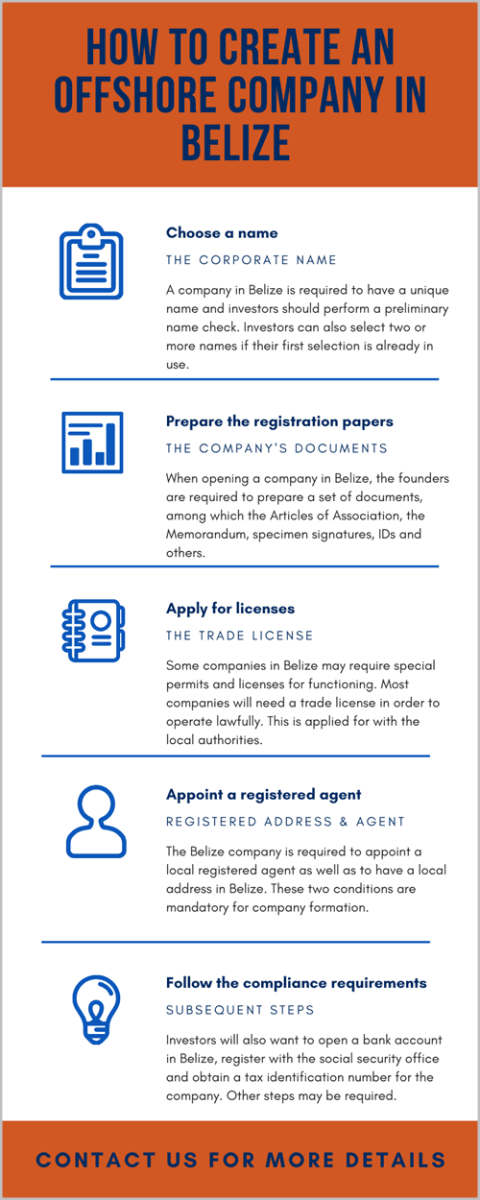
Establishing an overseas business entails a collection of strategic actions that need careful planning and compliance with international laws. Originally, a private have to select an ideal territory that aligns with their business purposes and provides desirable tax obligation advantages. Complying with jurisdiction choice, the following step is to choose an one-of-a-kind company name and prepare the needed documents, including short articles of unification and shareholder agreements.
When the documentation is ready, it has to be submitted to the appropriate authorities in addition to the required fees. After approval, the business will get a certification of unification, formally developing its lawful existence. The private must then open up a company copyright to assist in financial deals.
Maintaining an offshore firm includes sticking to ongoing compliance demands, such as yearly coverage and tax obligation responsibilities, which vary by jurisdiction. Therefore, comprehending each action is crucial for a successful overseas business formation.
Legal and Regulatory Framework for Offshore Firms
While establishing an overseas firm can supply substantial advantages, it is necessary to steer with the complicated lawful and regulatory framework that controls such entities. Each jurisdiction has its very own set of regulations that dictate every little thing from business formation to tax and compliance demands. These guidelines are developed to stop illegal tasks, such as cash laundering and tax evasion, and often call for complete documents and transparency.
Crucial element of this framework consist of the necessity of selecting local supervisors, preserving a licensed office, and adhering to yearly coverage commitments. Furthermore, numerous jurisdictions enforce particular licensing requirements for particular service activities. Understanding these legal specifications is important for making sure compliance and mitigating threats linked with charges or legal disputes. Subsequently, engaging with attorneys that focus on overseas firms can assist in maneuvering with this detailed landscape, ultimately helping with a compliant and successful offshore service procedure.
Common Misunderstandings Concerning Offshore Companies
Many individuals hold mistaken beliefs about offshore companies, typically equating them with tax evasion and unlawful activities. Nonetheless, it is very important to acknowledge that these entities click here for more can operate legally within a structure made for legit business practices. Clearing up the lawful standing of overseas firms can help dispel these misconceptions and advertise a much more precise understanding of their function.
Tax Evasion Misconceptions
Regardless of the expanding popularity of offshore companies, mistaken beliefs about their usage for tax evasion persist. Numerous individuals wrongly believe that establishing an offshore entity is solely a method to prevent tax obligations. Nevertheless, offshore companies are typically used advice for genuine purposes, such as property defense, worldwide company expansion, and investment diversity. The understanding that all offshore tasks correspond to illicit tax evasion forgets the intricacies of global tax obligation guidelines and conformity requirements. In addition, the substantial bulk of offshore territories have implemented actions to deal with tax obligation evasion, advertising transparency and details exchange. This mischaracterization can discourage reputable services and investors from checking out the prospective advantages of overseas company formations while bolstering an adverse stigma surrounding these entities.
Legal Status Clarified
The lawful condition of overseas companies is usually misconstrued, causing a range of misunderstandings. Numerous think these entities run in a lawful grey location, assuming they are inherently unlawful or dishonest. Actually, overseas companies are reputable services developed under the regulations of particular jurisdictions, created for different factors, including possession defense and market expansion. One more typical misconception is that overseas business avert tax obligations totally; however, they go through the guidelines and tax obligation commitments of their home nations. In addition, some individuals think that offshore business can be quickly made use of for cash laundering or prohibited activities. While abuse can occur, most territories implement stringent conformity and openness laws to alleviate such dangers, guaranteeing that overseas business operate within lawful structures.

Managing and Operating Your Offshore Company Efficiently
Successfully managing and operating an overseas company needs a tactical strategy that balances conformity with regional laws and the pursuit of organization goals. Successful offshore administration involves comprehending the jurisdiction's tax obligation legislations, reporting needs, and functional regulations. Utilizing neighborhood experts, such as accounting professionals and lawful advisors, can offer very useful insights right into passing through these complexities.
Additionally, establishing clear communication channels and operational protocols is important for preserving effectiveness. Using technology for job administration and partnership can improve efficiency, while routine efficiency reviews warranty positioning with critical purposes.
Maintaining durable monetary documents is important, as transparency cultivates trust fund with stakeholders and complies with global criteria. Being versatile to modifications in legislation or market problems allows overseas companies to pivot properly, ensuring long-term sustainability and development. By adhering to these concepts, entrepreneur can make the most of the advantages of their offshore ventures while mitigating threats.
Often Asked Questions
Just how much Does It Cost to Keep an Offshore Business Annually?
The expense to maintain an overseas company each year varies considerably, commonly ranging from $1,000 to $5,000, depending upon jurisdiction, solutions required, and conformity commitments. It is important to think about added fees for details requirements.
Can I Open Up a Savings Account for My Offshore Business From Another Location?
Opening a savings account for an overseas business from another location is normally possible. Nevertheless, requirements might differ by territory, typically necessitating documents and confirmation procedures, which can from this source complicate the remote application experience for individuals.
Are There Specific Nations Known for Easier Offshore Company Formations?
Certain nations, such as Belize, Seychelles, and the British Virgin Islands, are renowned for their desirable laws and structured processes relating to overseas firm formations, drawing in entrepreneurs seeking efficiency and discretion in organization procedures.
What Kinds of Organizations Are Ideal Matched for Offshore Business?
Certain companies, such as investment, working as a consultant, and e-commerce companies, commonly benefit from offshore business as a result of tax obligation advantages, personal privacy, and governing adaptability - Offshore Company Formations. These entities generally thrive in territories that advertise beneficial organization settings
Exactly How Can I Guarantee Compliance With Regional Legislations When Running Offshore?
To guarantee compliance with regional laws when operating offshore, it is essential to engage legal professionals, perform thorough study on territory guidelines, and maintain clear monetary documents, thereby lessening threats connected with non-compliance.